
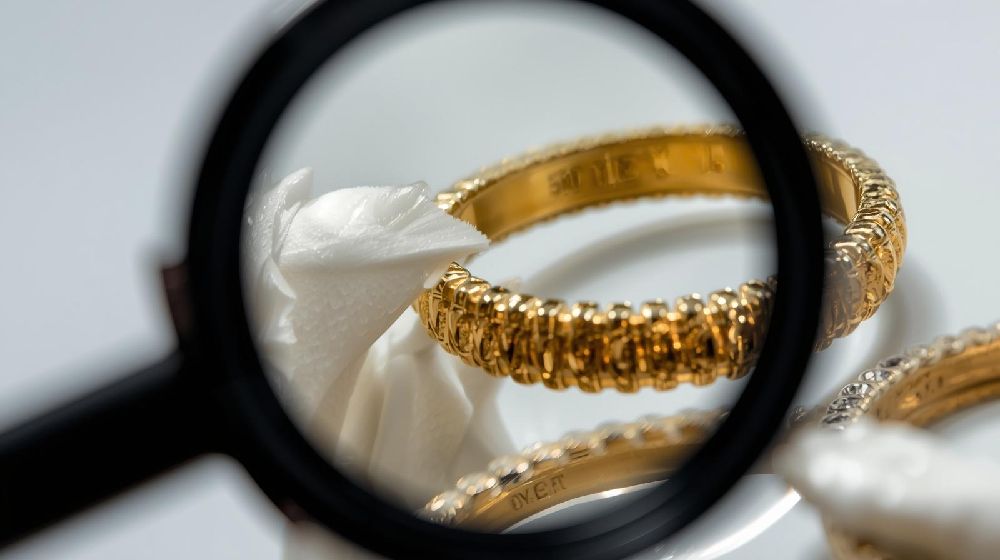
When purchasing gold jewelry, beauty and design often capture attention first. However, one of the most important factors lies beyond appearance—purity. Hallmarking and purity certification are essential systems that protect consumers, ensure transparency, and maintain trust in the jewelry industry.
Understanding how hallmarking works empowers buyers to make confident and informed decisions.
What Is Hallmarking?
Hallmarking is an official certification that verifies the purity of precious metals such as gold, silver, and platinum. It involves stamping or marking jewelry with symbols that confirm its metal content has been tested and approved by an authorized authority.
A hallmark acts as a guarantee that the jewelry meets established purity standards.
Why Hallmarking Matters
Gold purity directly impacts:
-
Value
-
Durability
-
Resale potential
-
Customer trust
Without hallmarking, it can be difficult to confirm whether a piece truly contains the promised gold content. Hallmark certification eliminates uncertainty and protects buyers from under-karating or misrepresentation.
Understanding Gold Purity
Gold purity is measured in karats (K). Pure gold is 24K, but because it is soft, it is often alloyed with other metals for strength.
Common gold purities include:
-
24K – 99.9% pure gold
-
22K – 91.6% pure gold
-
18K – 75% pure gold
-
14K – 58.5% pure gold
Hallmarking confirms that the jewelry matches the claimed karat level.
Key Components of a Hallmark
While hallmarking systems vary by country, most include:
-
Purity Mark – Indicates gold content (e.g., 916 for 22K, 750 for 18K).
-
Assay Office Mark – Identifies the authorized testing center.
-
Jeweler’s Identification Mark – Indicates the manufacturer or brand.
-
Year or Code Mark (in some regions) – Shows when the piece was tested.
These markings ensure traceability and accountability.
Hallmarking Authorities Around the World
Different countries have official bodies responsible for hallmarking. For example:
-
In India, hallmarking is regulated by the Bureau of Indian Standards (BIS).
-
In the United Kingdom, hallmarking is overseen by historic assay offices such as the London Assay Office.
These institutions test and certify precious metal content before stamping jewelry.
The Testing Process
Hallmark certification involves scientific testing methods such as:
-
X-ray fluorescence (XRF) analysis
-
Fire assay testing (traditional but highly accurate method)
These processes determine the exact metal composition, ensuring compliance with declared purity levels.
Purity Certification vs. Self-Declaration
Not all jewelry is automatically hallmarked. In some cases, sellers may declare purity without official certification. However, certified hallmarking provides greater assurance because it involves independent verification.
Certified jewelry offers:
-
Greater resale confidence
-
Consumer protection
-
Transparent pricing
-
Verified authenticity
Benefits for Consumers
Choosing hallmarked jewelry provides several advantages:
-
Assurance of gold purity
-
Protection against fraud
-
Accurate valuation
-
Enhanced trust in the brand
For long-term investments, hallmarking is especially important.
The Role of Transparency in Modern Jewelry
Today’s consumers value transparency more than ever. Hallmarking strengthens brand credibility and reinforces ethical business practices.
It demonstrates:
-
Accountability
-
Commitment to quality
-
Compliance with national standards
-
Respect for customer trust
Final Thoughts
Hallmarking and purity certification are not just technical stamps—they represent trust, authenticity, and consumer protection. Whether purchasing jewelry for personal use, gifting, or investment, verifying hallmark certification ensures that beauty is matched with genuine value.
In fine jewelry, true luxury lies not only in design but in verified purity you can rely on.
- gold hallmarking
- ,
- jewelry purity certification
- ,
- bis hallmark
- ,
- bis hallmark gold
- ,
- gold purity standards
- ,
- 925 silver hallmark
- ,
- certified gold jewelry
- ,
- dvn jewelry
- ,
- hallmark verification
- ,
- gold authenticity
- ,
- precious metal certification
- ,
- jewelry quality assurance
- ,
- gold karat system
- ,
- trust in gold buying
- ,
- official gold marking
- ,
- consumer protection in jewelry
- ,
- genuine gold identification
- ,
- sterling silver certification
- ,
- jewelry industry standards
- ,
- hallmarked gold benefits
- ,
- quality certified jewelry