
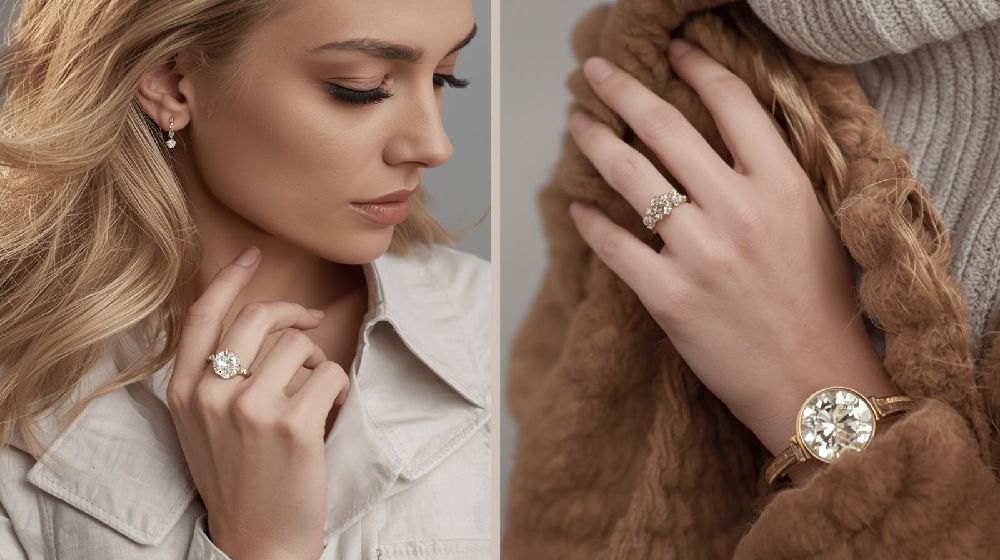
Jewelry is meant to be admired—but it is also meant to be worn. While beauty and brilliance often capture attention first, true luxury lies in comfort. A well-designed piece not only looks stunning but also feels effortless throughout the day. The relationship between jewelry design and comfort is a crucial aspect of modern craftsmanship that directly influences wearability, durability, and customer satisfaction.
In today’s market, aesthetics alone are not enough. Comfort has become a defining factor in quality jewelry.
Why Comfort Matters in Jewelry
Jewelry often stays on the body for hours—sometimes even years, as in the case of wedding bands. If a piece feels heavy, sharp, or restrictive, it diminishes the overall experience.
Comfort-focused design ensures:
-
Smooth interaction with the skin
-
Balanced weight distribution
-
Easy movement without irritation
-
Long-term wearability
A beautiful piece that feels uncomfortable will rarely become a favorite.
The Role of Ergonomic Design
Ergonomics plays a significant role in jewelry comfort. Designers carefully consider how a piece interacts with natural body movement.
For example:
-
Rings are shaped with comfort-fit interiors (slightly rounded inner edges).
-
Bangles are engineered to slide smoothly without pinching.
-
Necklaces are balanced to prevent twisting or uneven hanging.
-
Earrings are designed to reduce strain on the earlobes.
Thoughtful shaping makes jewelry feel almost weightless.
Weight Distribution and Balance
Weight is a critical factor in comfort. Heavy jewelry may look impressive but can cause fatigue over time.
Modern manufacturing techniques allow designers to:
-
Create hollow structures without compromising strength
-
Reinforce stress points strategically
-
Maintain visual volume while reducing overall weight
Balanced weight ensures the piece sits naturally and securely.
Smooth Edges and Finishing
Sharp edges or rough surfaces can irritate the skin. High-quality finishing ensures:
-
Polished edges
-
Smooth inner surfaces
-
Rounded corners
-
Seamless joints
Even microscopic imperfections can affect comfort, which is why finishing and polishing are vital stages in production.
Secure and Practical Fastenings
Clasps and closures must be both secure and easy to operate. Poorly designed clasps may:
-
Pinch skin
-
Loosen over time
-
Cause frustration during wear
Well-designed locking systems provide confidence and convenience without sacrificing elegance.
Material Choice and Skin Sensitivity
Metal composition impacts comfort. High-quality alloys reduce the risk of skin irritation. Proper gold purity levels and finishing processes ensure:
-
Hypoallergenic wear
-
Smooth contact with skin
-
Reduced tarnish or reaction
Material selection directly influences long-term comfort.
Stone Setting and Structural Integrity
Gemstones must be securely set without creating protruding prongs that catch on clothing. Skilled craftsmanship ensures:
-
Secure prong placement
-
Low-profile settings for daily wear
-
Smooth alignment
-
Minimal snagging
Design and engineering work together to create both beauty and practicality.
Daily Wear Considerations
Jewelry designed for everyday use must withstand constant motion. Comfort-focused daily-wear pieces often feature:
-
Reinforced bands
-
Minimal sharp detailing
-
Flexible chain links
-
Lightweight construction
These elements make the jewelry suitable for professional and casual settings alike.
The Emotional Aspect of Comfort
Comfort also has a psychological dimension. When jewelry feels good to wear, it boosts confidence. It becomes part of one’s identity rather than an occasional accessory.
Comfortable jewelry:
-
Encourages daily wear
-
Enhances emotional attachment
-
Builds brand loyalty
The wearer forgets they are wearing it—yet feels complete because of it.
Technology Enhancing Comfort
Modern tools such as CAD design and CNC precision manufacturing allow designers to test proportions and adjust structural elements before production. This reduces design flaws and ensures ergonomic accuracy.
Digital simulations help achieve the perfect balance between form and function.
Final Thoughts
The relationship between jewelry design and comfort is inseparable. True luxury is not only about sparkle and shine—it is about how a piece feels against the skin, how it moves with the body, and how effortlessly it becomes part of everyday life.
When design prioritizes comfort alongside aesthetics, jewelry transforms from decoration into a seamless extension of personal style—beautiful, durable, and truly wearable.
- jewelry design and comfort
- ,
- comfortable jewelry
- ,
- comfortable jewelry designs
- ,
- ergonomic jewelry design
- ,
- wearable luxury
- ,
- lightweight gold jewelry
- ,
- dvn jewelry
- ,
- skin-friendly jewelry
- ,
- everyday wear jewelry
- ,
- functional jewelry design
- ,
- jewelry fit and finish
- ,
- balanced jewelry design
- ,
- comfort-first craftsmanship
- ,
- jewelry basics
- ,
- fine jewelry engineering
- ,
- modern jewelry innovation
- ,
- user-centered design
- ,
- luxury without compromise
- ,
- smooth finish jewelry
- ,
- jewelry proportions and fit
- ,
- jewelry