
Jewelry tis more han decoration. Across civilizations and centuries, it has served as a powerful symbol of identity, tradition, status, and belief. From ancient amulets to modern heirlooms, jewelry reflects who we are, where we come from, and what we value.
Cultural identity is expressed through language, rituals, clothing—and jewelry. The metals, gemstones, designs, and occasions associated with jewelry often carry deep historical and emotional meaning.
A Reflection of Heritage and Tradition
In many cultures, jewelry is tied to heritage. Specific designs and materials represent regional history and ancestral craftsmanship.
-
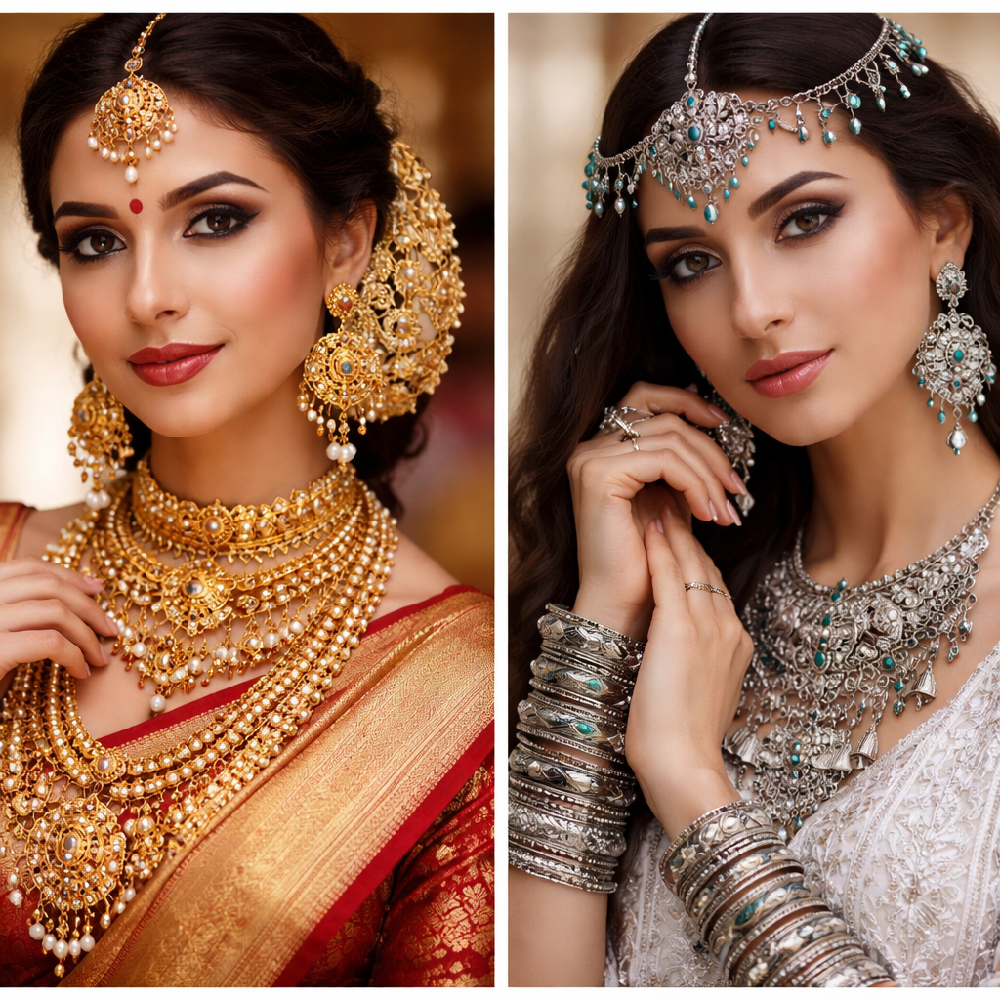
Intricate gold ornaments in South Asia symbolize prosperity and family legacy.
-
Beaded jewelry in African communities reflects tribal identity and social roles.
-
Celtic knots in European designs represent eternity and interconnectedness.
-
Indigenous silverwork in the Americas preserves centuries-old traditions.
These designs are not random; they carry stories passed down through generations.
Symbolism and Spiritual Meaning
Jewelry often holds spiritual and symbolic significance.
-
Cross pendants, Om symbols, or crescent motifs reflect faith and devotion.
-
Protective amulets are worn for luck and safety.
-
Wedding rings symbolize commitment and unity.
-
Birthstones connect individuals to astrology and personal meaning.
Through symbolism, jewelry becomes a wearable expression of belief and values.
Markers of Life Milestones
Across cultures, jewelry plays a central role in major life events:
-
Engagement and wedding ceremonies
-
Birth celebrations
-
Religious rites
-
Coming-of-age traditions
These pieces often become heirlooms, connecting generations through shared experiences.
A grandmother’s necklace or a mother’s wedding bangle carries emotional weight far beyond its material value.
Social Status and Economic Identity
Historically, jewelry has also reflected social standing and wealth. Royal crowns, elaborate gold necklaces, and gemstone-encrusted ornaments signified power and prestige.
Even today, jewelry choices can communicate:
-
Personal success
-
Professional status
-
Fashion sensibility
-
Lifestyle preferences
Luxury pieces often represent achievement, while minimalist jewelry may signal modern sophistication.
Gender Expression and Personal Identity
Jewelry also shapes individual identity. It can express:
-
Gender roles and cultural expectations
-
Personal style and creativity
-
Political or social beliefs
-
Emotional connections
In many societies, jewelry traditions have evolved. What was once strictly gender-specific is now fluid, allowing broader self-expression.
Modern fashion encourages individuals to redefine identity through unique combinations of rings, chains, and statement pieces.
Regional Craftsmanship as Cultural Pride
Local jewelry-making techniques often become symbols of national or regional pride. Handmade craftsmanship preserves:
-
Traditional metalworking skills
-
Unique engraving patterns
-
Cultural motifs
-
Historical artistry
Supporting local artisans helps maintain cultural identity in a globalized world.
Jewelry in Diaspora Communities
For individuals living far from their homeland, jewelry becomes a link to cultural roots. Wearing traditional designs abroad reinforces connection to heritage and family traditions.
In multicultural societies, jewelry often becomes a bridge between identities—blending traditional motifs with modern design.
The Influence of Modern Globalization
Globalization has expanded access to diverse jewelry styles, encouraging cross-cultural inspiration. Designers now combine elements from various traditions, creating fusion pieces that celebrate diversity.
However, preserving authenticity and respecting cultural origins remains essential. Jewelry should honor the heritage it represents.
Jewelry as Storytelling
Every piece of jewelry tells a story:
-
A ring may symbolize love.
-
A pendant may reflect faith.
-
A bracelet may represent friendship.
-
An heirloom may carry family history.
These stories strengthen cultural continuity and personal identity.
The Emotional Power of Adornment
Jewelry is often worn close to the body, making it deeply personal. It becomes part of daily life and memory. Over time, it absorbs meaning, transforming from a simple object into a symbol of belonging.
Through design, symbolism, and tradition, jewelry shapes how individuals see themselves—and how they are seen by others.
The Future of Cultural Identity in Jewelry
As technology and global design trends evolve, jewelry continues to adapt. Yet its cultural role remains strong. Brands today are increasingly highlighting:
-
Authentic craftsmanship
-
Cultural storytelling
-
Ethical sourcing
-
Heritage-inspired collections
Modern consumers value pieces that carry meaning, not just aesthetic appeal.
Final Thoughts
Jewelry shapes cultural identity by preserving heritage, expressing belief, marking milestones, and reflecting personal values. It connects the past to the present and tradition to innovation.
More than an accessory, jewelry is a symbol of belonging—a wearable expression of culture, memory, and individuality.
Across the globe, cultures may differ, but the language of jewelry remains universal: it tells the story of who we are.
- cultural jewelry
- ,
- jewelry and identity
- ,
- traditional jewelry
- ,
- traditional jewelry making
- ,
- ethnic jewelry designs
- ,
- heritage jewelry
- ,
- jewelry traditions
- ,
- heritagecraft
- ,
- cultural expression
- ,
- symbolism in jewelry
- ,
- gold in cultural rituals
- ,
- handcrafted jewelry
- ,
- ancestral jewelry
- ,
- jewelry and social status
- ,
- cultural heritage preservation
- ,
- global jewelry cultures
- ,
- tribal jewelry
- ,
- wedding jewelry traditions
- ,
- artisanal craftsmanship
- ,
- meaningful jewelry
- ,
- historical jewelry significance
- ,
- jewelry-technology